


Maritime and Coastal Safety: Protecting Lives, Livelihoods, and Our Oceans

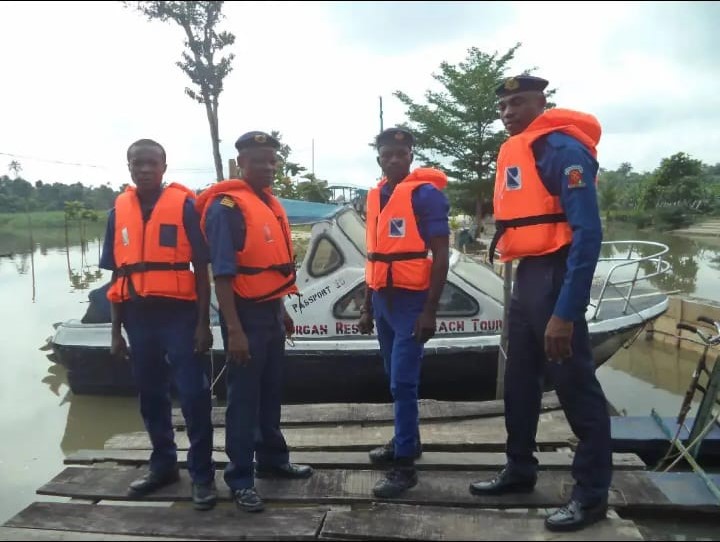
Maritime and coastal environments are essential to global trade, food security, tourism, and the livelihoods of millions of people. From bustling seaports to quiet fishing communities, these areas support economic growth and provide valuable natural resources. However, they also face significant risks, including accidents, severe weather, pollution, and illegal activities. Prioritising maritime and coastal safety is essential for protecting lives, preserving marine ecosystems, and ensuring sustainable development.
Why Maritime and Coastal Safety Matters
Every year, thousands of people depend on the sea for transportation, fishing, recreation, and commerce. Strong safety practices help reduce accidents, prevent environmental disasters, and improve emergency response. Safe waterways also encourage investment, strengthen local economies, and build confidence among businesses and communities that rely on marine resources.
Common Maritime and Coastal Hazards
Several factors contribute to risks in coastal and maritime environments:
Extreme weather conditions such as storms, high winds, and rough seas.
Poorly maintained boats and maritime equipment.
Inadequate navigation systems and communication failures.
Oil spills, plastic pollution, and chemical contamination.
Coastal erosion and rising sea levels caused by climate change.
Illegal fishing and other unauthorised maritime activities.
Understanding these hazards is the first step toward developing effective safety measures.
Best Practices for Improving Safety
- Prioritise Vessel Maintenance
Regular inspections and timely repairs help ensure boats and ships remain seaworthy. Safety equipment such as life jackets, fire extinguishers, emergency beacons, and first-aid kits should always be available and in good working condition.
- Monitor Weather Conditions
Checking marine weather forecasts before departure can prevent unnecessary exposure to dangerous conditions. Mariners should postpone trips when severe weather warnings are issued.
- Invest in Training
Fishermen, boat operators, and maritime workers should receive ongoing training in navigation, emergency response, first aid, and safety procedures. Well-trained personnel are better prepared to prevent and manage emergencies.
- Protect Coastal Ecosystems
Healthy mangroves, wetlands, and coral reefs act as natural barriers against storms and coastal erosion. Conserving these ecosystems improves both environmental health and community resilience.
- Strengthen Emergency Preparedness
Communities should establish emergency response plans, conduct regular drills, and maintain clear communication channels among rescue agencies, maritime authorities, and residents.
The Role of Technology
Modern technology is transforming maritime safety through GPS navigation, radar systems, satellite communication, drones, weather monitoring tools, and vessel tracking systems. These innovations improve situational awareness, enhance search-and-rescue operations, and reduce the likelihood of accidents.
Community Participation Is Essential
Government agencies cannot achieve maritime safety alone. Fishermen, shipping companies, coastal residents, tourism operators, environmental organisations, and local authorities all have important roles to play. Reporting hazards, following safety regulations, participating in awareness campaigns, and promoting responsible environmental practices contribute to safer coastal communities.
Looking Ahead
As climate change and increasing maritime activity create new challenges, investing in stronger safety systems has never been more important. Collaboration between governments, private organisations, researchers, and coastal communities will help create resilient coastlines and safer seas for future generations.
Conclusion
Maritime and coastal safety is about more than preventing accidents—it is about protecting people, preserving marine ecosystems, and supporting sustainable economic growth. By embracing safety best practices, investing in technology, and encouraging community involvement, we can build a future where our oceans continue to provide opportunities while remaining safe for everyone who depends on them.