





Maritime Security Awareness
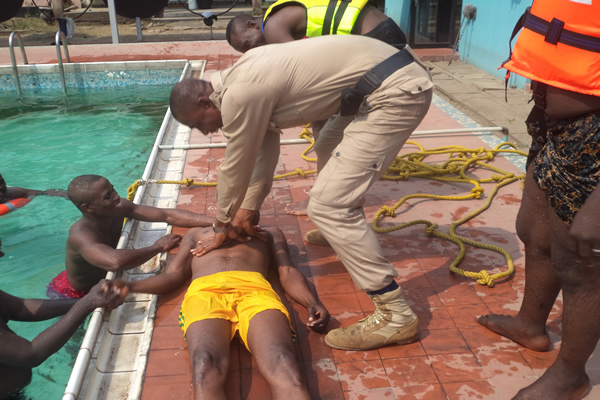
Maritime security awareness is the foundational knowledge required by personnel to recognize threats, understand risks, and maintain safety in the maritime environment
Marine Environmental Protection
Marine environmental protection is the practice of preserving and restoring the health of the world's oceans, seas, and coastal areas through laws, conservation limits, and pollution control.
Safety Along Coastal Infrastructure and Roads
Safety along coastal infrastructure and roads involves managing unique environmental, traffic, and security challenges to protect both the public and critical national assets
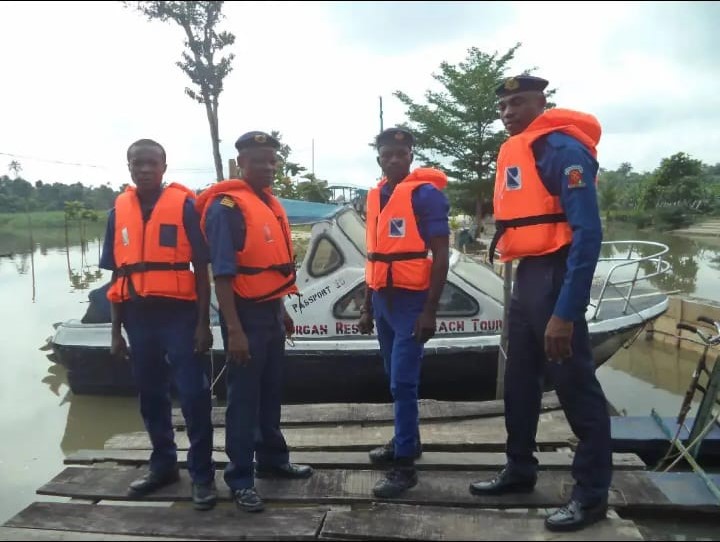
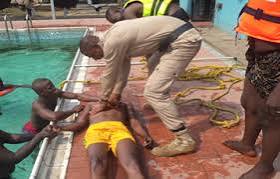
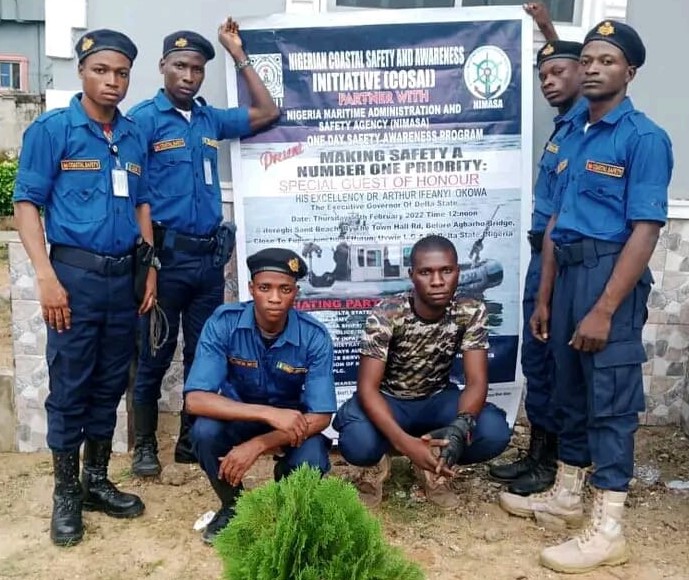
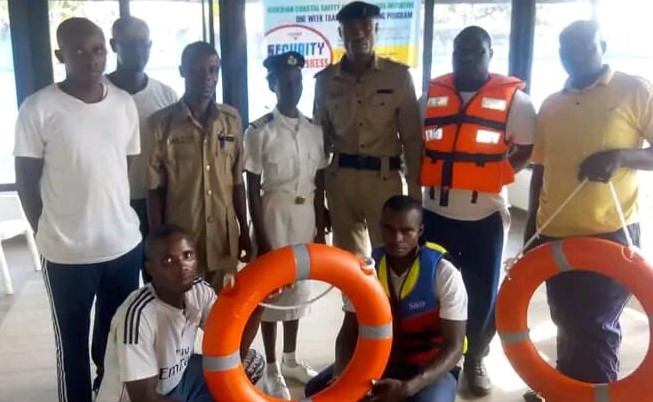
Maritime and Coastal Safety: Protecting Lives, Livelihoods, and Our Oceans

Coastal Security and the Protection of Critical Infrastructure: Safeguarding Our Coastal Future

Emergency Preparedness and Response: Why Every Family, Business, and Community Should Be Ready

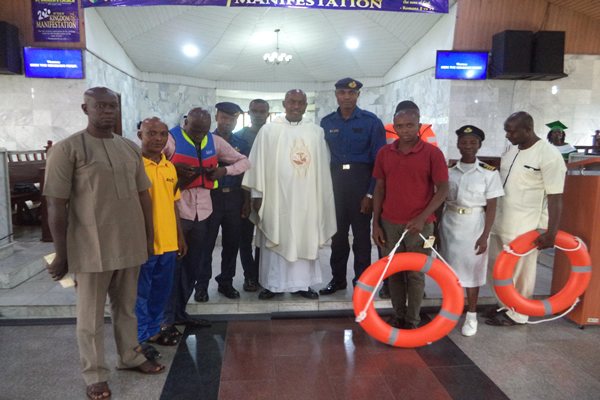
Coastal Safety and Awareness Initiative has made a remarkable difference in our community. Their awareness programs have helped people understand the importance of water safety, emergency preparedness, and protecting our coastal environment. We are grateful for their commitment to saving lives and creating safer communities.

Before participating in the Coastal Safety and Awareness Initiative program, I did not fully understand the risks associated with coastal activities. The training gave me practical knowledge about safety precautions, emergency response, and responsible behavior around water. It was truly an eye-opening experience.
Community LeaderBefore participating in the Coastal Safety and Awareness Initiative program, I did not fully understand the risks associated with coastal activities. The training gave me practical knowledge about safety precautions, emergency respoThe initiative is doing important work by educating young people about coastal safety and environmental responsibility. Their approach is engaging, practical, and easy to understand. I believe the knowledge shared through these programs will help build a generation that is more safety-conscious and protective of our coastal resources.nse, and responsible behavior around water. It was truly an eye-opening experience.