


Risk Assessment and Accident Prevention: Building a Safer Workplace

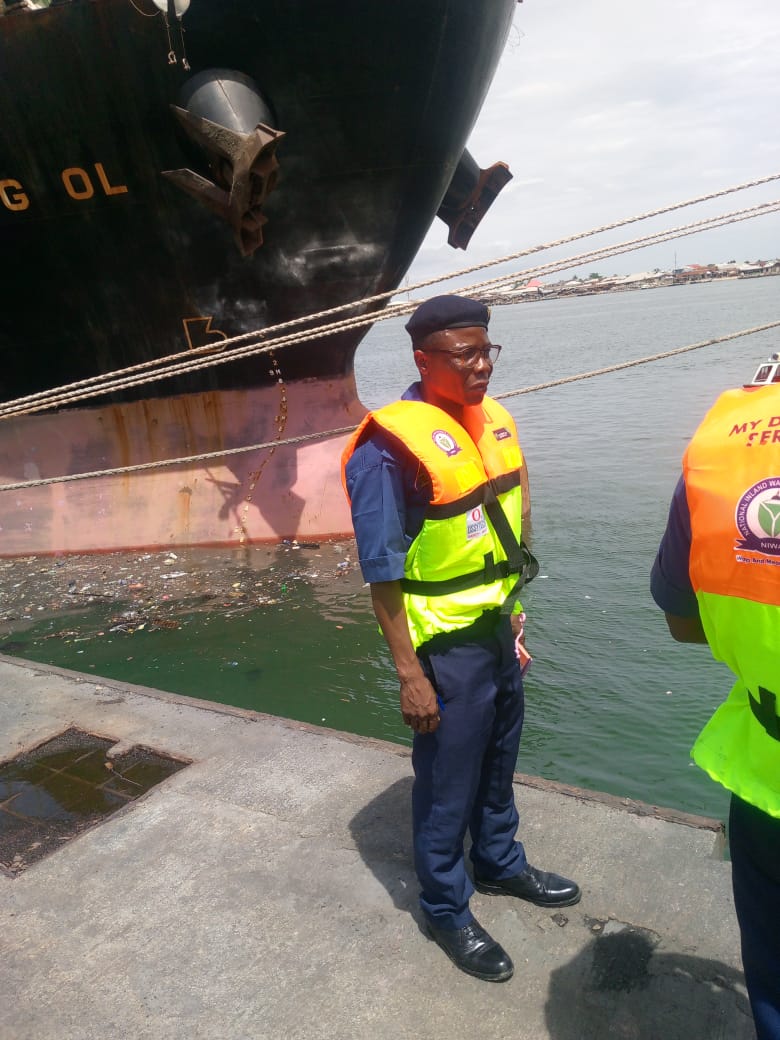
Every workplace, whether it’s a farm, factory, office, or construction site, comes with potential hazards. While accidents can happen unexpectedly, many are preventable through proper planning and proactive safety measures. One of the most effective ways to reduce workplace injuries is by conducting regular risk assessments and implementing strong accident prevention strategies.
What Is Risk Assessment?
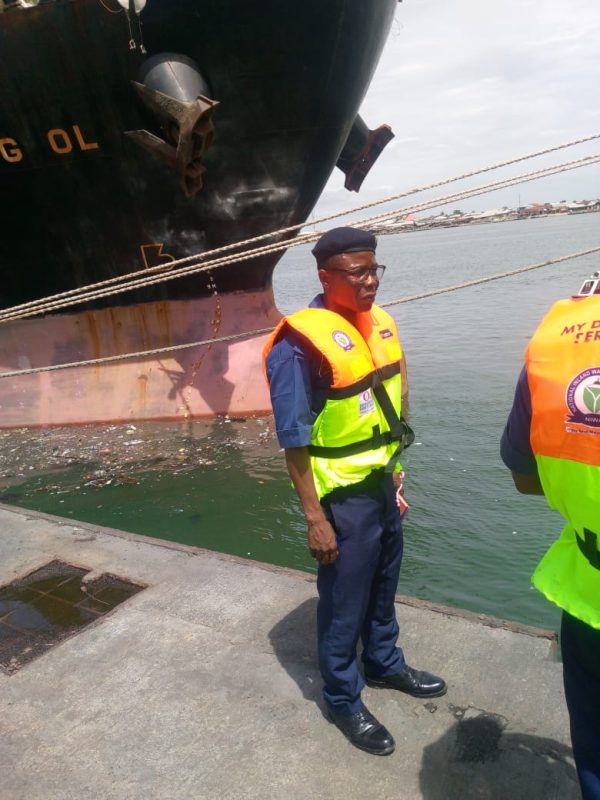
Risk assessment is the systematic process of identifying hazards, evaluating the likelihood and severity of harm, and putting measures in place to eliminate or minimize those risks. It helps organizations create safer environments for employees, customers, and visitors.
A proper risk assessment answers four important questions:
What hazards exist?
Who could be affected?
How serious is the risk?
What actions can reduce or eliminate the risk?
Why Risk Assessment Matters
Risk assessment is more than a legal or regulatory requirement—it is a smart business practice. Organisations that prioritise safety enjoy several benefits, including:
Reduced workplace accidents and injuries
Lower medical and compensation costs
Increased employee confidence and morale
Improved productivity and operational efficiency
Better compliance with health and safety regulations
Enhanced reputation among clients and stakeholders
When employees feel safe, they perform better and contribute more effectively to organisational success.
Common Workplace Hazards
Different industries face different risks, but some hazards are common across many workplaces:
Slips, trips, and falls
Faulty or poorly maintained equipment
Electrical hazards
Fire risks
Exposure to hazardous chemicals
Poor manual handling techniques
Fatigue and stress
Inadequate training or supervision
Recognising these hazards is the first step toward preventing accidents.
Steps to Conduct an Effective Risk Assessment
- Identify Hazards
Inspect the workplace carefully. Observe work processes, examine equipment, and consult employees about potential dangers.
- Assess the Risks
Determine how likely each hazard is to cause harm and evaluate the potential consequences.
- Implement Control Measures
Apply practical solutions such as:
Eliminating unnecessary hazards
Installing safety guards and warning signs
Providing personal protective equipment (PPE)
Improving workplace procedures
Offering employee safety training
4. Record Your Findings
Document identified hazards, risk levels, and the measures taken. Good documentation supports accountability and continuous improvement.
- Review Regularly
Risk assessments should be reviewed whenever work processes change, new equipment is introduced, or after an accident or near miss.
Practical Accident Prevention Strategies
Preventing accidents requires continuous commitment. Effective strategies include:
Conduct regular safety inspections.
Train employees on safe work practices.
Encourage workers to report hazards immediately.
Maintain machinery and equipment properly.
Keep work areas clean and organised.
Display clear safety signs and emergency procedures.
Ensure first-aid kits and emergency equipment are readily available.
Promote a culture where safety is everyone’s responsibility.
Creating a Strong Safety Culture
A safe workplace is built through leadership and employee participation. Management should lead by example, provide adequate resources, and encourage open communication about safety concerns. Employees should actively follow procedures, report unsafe conditions, and participate in safety training.
When everyone shares responsibility for safety, accidents become far less likely.
Conclusion
Risk assessment is not a one-time activity—it is an ongoing process that protects lives, improves productivity, and strengthens organizational resilience. By identifying hazards early and implementing effective preventive measures, businesses can create safer workplaces where employees thrive, and operations run smoothly.
Remember: The best accident is the one that never happens. Investing time in risk assessment today can prevent injuries, save costs, and protect your organization’s most valuable asset—its people.